





Meditation is ascendant in the U.S. Clinicians recommend the practice to treat anxiety and depression without the risk of drug dependency, and millions practice meditation alone or on retreats.

Sleep is supposed to be restful and restorative. But for some people, it’s more like a nightly challenge and frustration. If lack of sleep rules your nights, it can really mess with your days. You may feel sluggish, groggy and more than a little bit irritable.

Psychological research is advancing our understanding of how time in nature can improve our mental health and sharpen our cognition

Stress is a natural response to emotional or physical pressure. In small amounts it can help you stay focused and meet challenges. But when it is constant or overwhelming, it can harm your physical and mental health. Managing stress effectively can reduce anxiety, boost energy, and improve overall well-being. The key is learning how to interrupt the body’s stress response and activate the relaxation response.

"There's compelling evidence that kindness is linked with a number of aspects of health and well-being," VanderWeele says. He is the co-director of the Initiative on Health, Spirituality, and Religion at the Harvard T.H. Chan School of Public Health, and he has devised his own "kindness strategy" based on such evidence.

Ever feel like you need a vacation after you take a vacation? Perhaps you might consider wellness tourism as a framework for your next break. Wellness travel is essentially a form of self-care: It involves intentionally unplugging from life’s stressors to recharge your batteries, and keeping health and well-being in mind so you can reenter daily life feeling rejuvenated and refreshed.
Juggling multiple roles and responsibilities are part and parcel of adult life. This often brings about challenges with stressors and can be overwhelming over time, unless managed properly.

During difficult times, engaging in self-care is critical. Some psychological pillars can help create the conditions for resilience, joy, and meaning, specifically the Four C’s: Connection, Compassion, Courage, and Creativity.

Is stress making you angry and grouchy? Stress relievers can help bring back calm and peace to your busy life. You don't have to put a lot of time or thought into stress relievers. If your stress is getting out of control and you need quick relief, try one of these tips.

Stress is a common and normal response to challenging or new situations. It can be a positive reaction when it helps to overcome challenges. In small doses, stress can help you accomplish tasks and prevent you from getting hurt. Stress becomes problematic when it makes you feel overwhelmed or continues for a long time.

Learning to cope in a healthy way can help reduce your stress. Taking small steps in your daily life to manage stress can have a big impact. Everyone manages stress differently. You can find and manage what triggers your stress and the right combination of healthy techniques that work for you.

Art therapy is a trending therapeutic approach that offers help in daily life and mental health practices. We are going to know more about it. Let us see how to manage your stress with art therapy.
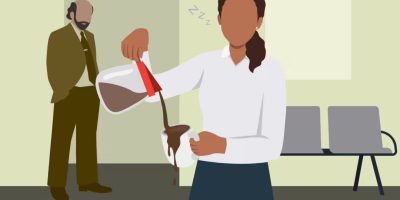
Research suggests working more than 55 hours a week can have negative effects on your health — and it’s no wonder. When we sacrifice our health and personal responsibilities for overworking, we give up more than just our time and energy.

A new study finds that job burnout is at 66%--an all-time high and suggests that return-to-office (RTO) mandates may exacerbate stressors for workers already struggling in today’s demanding workplace.

Preventing burnout involves implementing self-care practices and setting healthy boundaries. It also involves regularly assessing and adjusting one’s workload to maintain a sustainable balance between work and personal life.

As a burnout researcher, I sometimes worry that we’re becoming numb to just how serious this workplace syndrome actually is. Not only is the sheer number of people experiencing burnout higher than ever, recent evidence shows that burnout is affecting workers at younger ages — and its effects are more debilitating.

Feeling burned out at work? Find out what you can do when your job affects your health. Job burnout is a type of stress linked to work. It includes being worn out physically or emotionally. Job burnout also may involve feeling useless, powerless and empty.

Worn out from work demands? Here’s how to identify, prevent and treat burnout before it worsens. Is your heavy workload and other commitments causing you to suffer from burnout – a state of chronic physical and emotional exhaustion?